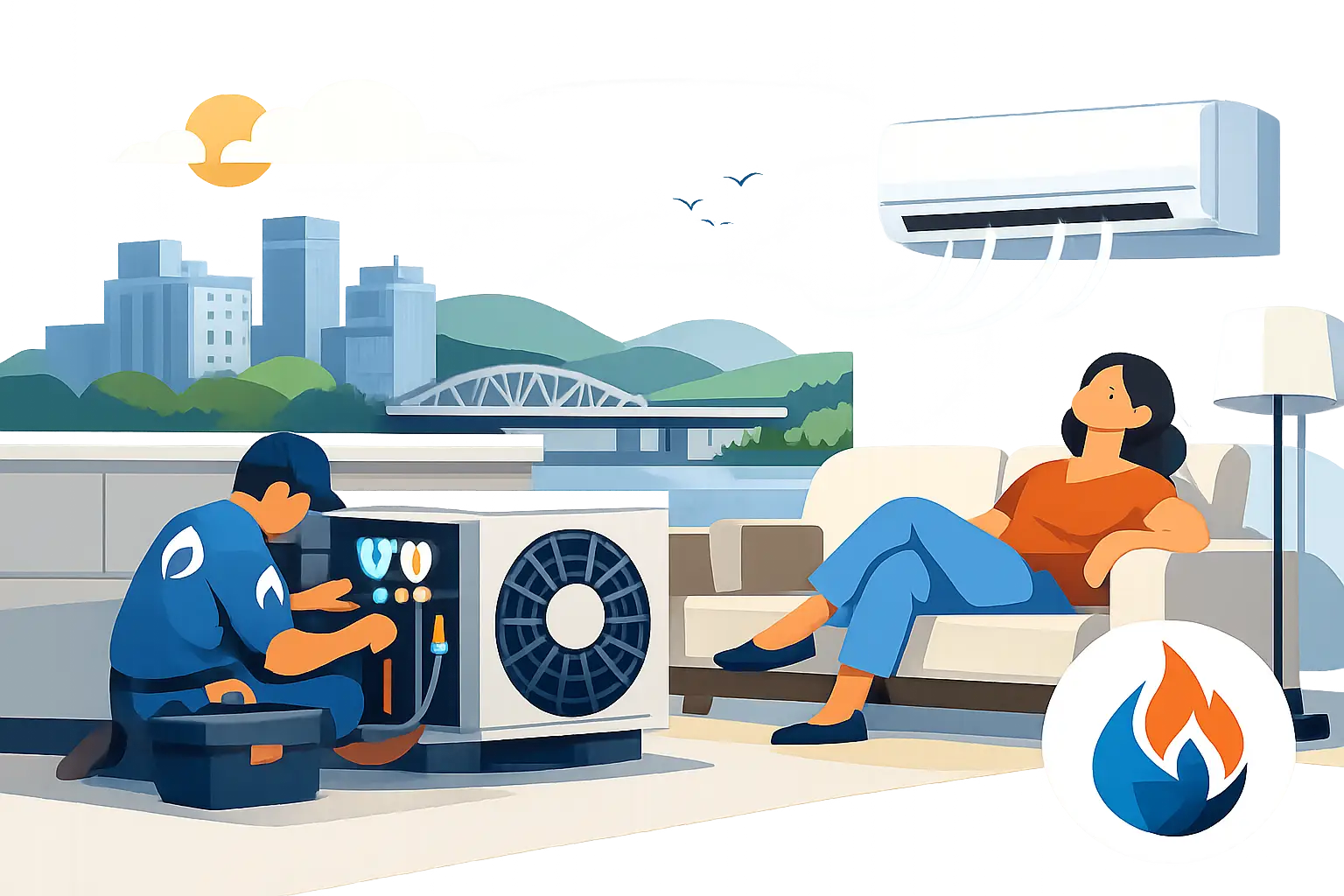
A heating or cooling problem rarely arrives at a convenient time. Your air conditioner may stop working during a humid summer afternoon, or your furnace may start blowing cold air on the coldest night of winter. When you need HVAC repair in Yonkers, getting professional help quickly can protect more than your comfort. It can help prevent additional equipment damage, reduce unnecessary energy costs, and keep your home or business operating safely.
A system that is running but not performing properly should not always be treated as a minor issue. Strange noises, weak airflow, uneven temperatures, unusual odors, and frequent cycling can all indicate an underlying problem. Knowing the warning signs can help you determine when to schedule routine service and when you need more immediate HVAC repair in Yonkers.
When HVAC Repair in Yonkers Should Not Wait
Some HVAC problems require prompt professional attention because delaying service can turn a manageable repair into a more serious failure.
If you smell gas, see smoke or sparks, or suspect a carbon monoxide problem, leave the area when necessary and contact the appropriate emergency service or gas utility. Do not attempt to restart the equipment or investigate a potentially dangerous problem yourself.
A complete loss of heat during freezing weather also deserves immediate attention. Prolonged exposure to cold temperatures can affect indoor comfort and may increase the risk of frozen plumbing. For businesses, a heating or cooling failure can also affect employees, customers, inventory, computer equipment, and normal operations.
Water around an indoor HVAC unit should also be addressed promptly. A clogged condensate drain or other drainage problem can cause water damage to ceilings, flooring, insulation, and nearby components.
Common Signs Your HVAC System Needs Professional Attention
HVAC equipment does not always fail without warning. Many systems show symptoms before a complete breakdown occurs. Recognizing these signs early can give you more repair options.
Weak Airflow or Uneven Temperatures
Weak airflow from your vents can indicate a dirty filter, blocked return vent, ductwork problem, blower issue, or another system restriction.
If one room is significantly warmer or colder than the rest of your property, the cause could involve ductwork, insulation, dampers, thermostat settings, or system sizing.
Instead of simply increasing or decreasing the thermostat, have the system inspected if the problem continues.
Unusual HVAC Noises
Grinding, screeching, rattling, banging, or persistent buzzing should not be ignored.
A loose panel may be a simple repair, while unusual sounds can also indicate a worn motor bearing, damaged blower wheel, electrical problem, or compressor issue.
Continuing to operate equipment with a serious mechanical problem may result in additional damage.
Short Cycling
Short cycling occurs when an HVAC system repeatedly turns on and off without completing a normal heating or cooling cycle.
A dirty filter can contribute to the problem, but other causes may include thermostat problems, restricted airflow, refrigerant issues, overheating, or an improperly sized system.
Frequent cycling can increase energy consumption and place additional wear on system components.
Unexpectedly Higher Energy Bills
A sudden increase in heating or cooling costs can sometimes indicate declining HVAC performance.
Your system may need to operate longer because of restricted airflow, dirty coils, duct leakage, ignition problems, or worn components.
Weather conditions can naturally affect utility bills, so an increase does not automatically mean your HVAC system has failed. However, a significant unexplained change is worth having professionally evaluated.
Unusual Odors
Odors coming from your HVAC system can provide important clues.
A musty smell may indicate moisture or contamination around components such as the evaporator coil or drainage system. A brief dusty smell when heating is first turned on can sometimes occur after a period of inactivity.
However, a strong burning, electrical, or melting-plastic odor should be taken seriously. Turn the system off if it is safe to do so and contact a qualified HVAC professional.
What to Check Before Calling for HVAC Repair
A few basic checks may help identify a simple problem and provide useful information to your technician.
Check the Thermostat
Make sure your thermostat is set to the correct heating or cooling mode and that the temperature setting is calling for operation. If the thermostat uses batteries, check whether they need replacement.
Check the Air Filter
A heavily dirty filter can restrict airflow and make your HVAC system work harder. Replace the filter with the correct size and type recommended for your equipment.
Check the Circuit Breaker
If the HVAC system has lost power, check the electrical panel for a tripped breaker.
If the breaker trips again after being reset, do not repeatedly reset it. A recurring electrical problem requires professional attention.
Check Your Vents
Make sure supply and return vents are open and not blocked by furniture, rugs, curtains, boxes, or other objects.
Check the Outdoor AC Unit
During cooling season, make sure the outdoor condenser has adequate clearance and is not covered by leaves, branches, or other debris.
Do not remove equipment panels, handle refrigerant lines, or attempt electrical repairs yourself.
Why Accurate HVAC Diagnosis Matters
The same HVAC symptom can have several different causes.
For example, an air conditioner blowing warm air could have a thermostat problem, failed capacitor, dirty condenser coil, refrigerant issue, or compressor problem. Replacing a component without identifying the actual cause may waste money without resolving the underlying issue.
A professional HVAC diagnosis should involve inspecting system operation, airflow, electrical components, safety controls, and other important equipment.
For cooling systems, a technician may evaluate refrigerant performance and look for signs of leakage. For heating systems, the inspection may include ignition, venting, controls, and other safety-related components.
A reliable contractor should explain what was found, why a particular repair is recommended, and what the expected cost will be before work begins.
HVAC Repair or Replacement: Which Do You Need?
Not every HVAC problem means you need a new system.
Repair may be a practical option when the equipment is relatively new, has been maintained properly, and needs a straightforward component replacement. Problems involving thermostats, capacitors, contactors, drain lines, ignition components, or blower parts may often be addressed through repair.
Replacement may deserve consideration when the system experiences frequent breakdowns, requires expensive major-component repairs, operates inefficiently, or is approaching the end of its expected service life.
The age of the equipment alone should not determine the decision. Consider the repair cost, system condition, efficiency, warranty coverage, reliability, and how long you plan to remain in the property.
For homes with persistent hot and cold spots, ductless mini-split systems may also provide an alternative where extending existing ductwork is difficult. The appropriate solution depends on the property’s layout and the cause of the comfort problem.
How to Prevent Future HVAC Problems
Regular maintenance is one of the most practical ways to reduce unexpected HVAC problems.
Homeowners can help maintain their systems by:
- Replacing HVAC filters regularly
- Keeping outdoor equipment clear of debris
- Keeping supply and return vents unobstructed
- Scheduling professional seasonal maintenance
- Addressing unusual noises promptly
- Investigating unusual odors
- Watching for water leaks
- Responding to changes in heating or cooling performance
Professional maintenance can help identify worn components, drainage issues, airflow restrictions, and other developing problems before they result in an unexpected breakdown.
For property managers and business owners, a planned maintenance schedule can also make HVAC expenses easier to manage and help reduce interruptions for tenants, employees, and customers.
Professional HVAC Repair in Yonkers
When your heating or cooling system starts behaving differently, don’t wait for a small warning sign to become a complete system failure.
Rite Temp HVAC LLC provides professional HVAC repair in Yonkers for residential and commercial properties. Our team can diagnose heating and cooling problems, explain available repair options, and provide practical solutions based on your system’s condition.
Whether you are dealing with weak airflow, unusual noises, poor cooling, heating problems, water leaks, or an unexpected system shutdown, timely professional service can help restore reliable indoor comfort.
Frequently Asked Questions
1. When should I call for HVAC repair in Yonkers?
You should contact an HVAC professional when your system stops heating or cooling properly, produces unusual noises or odors, has weak airflow, repeatedly cycles on and off, leaks water, or experiences another persistent performance problem.
2. What are common HVAC problems in Yonkers homes?
Common problems include poor airflow, thermostat issues, dirty filters, electrical component failures, refrigerant problems, drainage issues, furnace ignition problems, and aging system components.
3. Can I repair my HVAC system myself?
Homeowners can perform basic tasks such as replacing filters, checking thermostat settings, and keeping vents clear. Electrical, refrigerant, gas, and complex mechanical repairs should be handled by a qualified HVAC professional.
4. Should I repair or replace my HVAC system?
The decision depends on the equipment’s age, condition, repair cost, efficiency, maintenance history, warranty coverage, and expected remaining lifespan. A professional inspection can help you understand your options.
5. How can I prevent unexpected HVAC repairs?
Regular professional maintenance, timely filter replacement, clear airflow, clean outdoor equipment, and addressing unusual noises, odors, leaks, or temperature problems early can help reduce the risk of unexpected HVAC issues.
Conclusion
HVAC problems can quickly affect comfort, energy use, and daily routines. Recognizing warning signs such as weak airflow, unusual noises, short cycling, water leaks, and unexpected energy increases can help you address problems before they become larger failures.
If you need HVAC repair in Yonkers, professional diagnosis can help identify the actual cause of the problem and determine whether repair, maintenance, or replacement is appropriate.
Rite Temp HVAC LLC is available to help homeowners and businesses address heating and cooling problems and maintain comfortable indoor conditions throughout the year.
