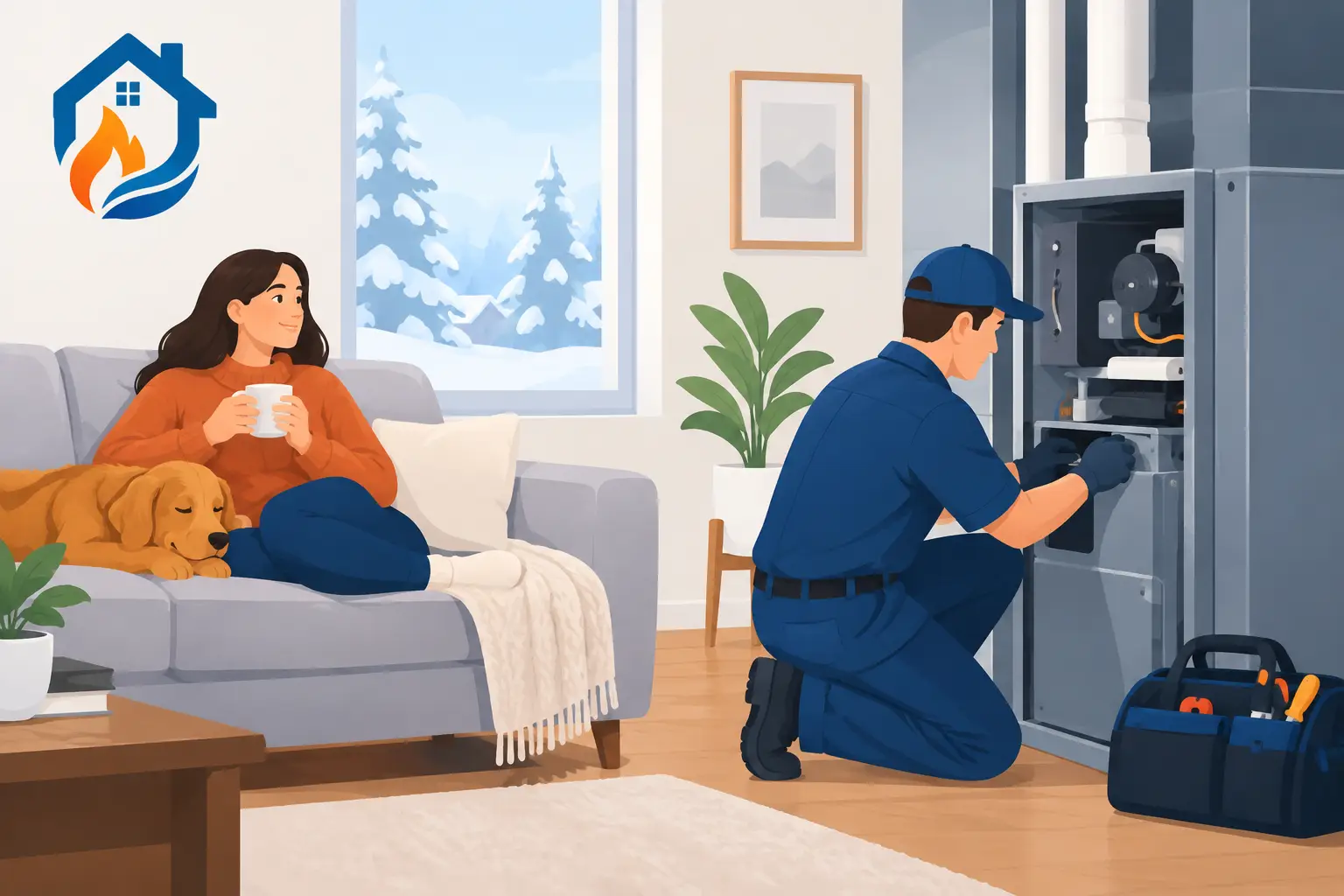
A heating system rarely fails at a convenient time. It breaks down during a freezing overnight cold snap, before tenants arrive, or just as your business opens for the day. Reliable heating service is not simply about restoring warm air. It is about protecting your family, customers, property, and budget when New York weather puts your equipment under real pressure.
A professional visit gives you clear answers about what is wrong, what it takes to fix it, and whether a repair still makes financial sense. The right technician should never rush you toward an unnecessary replacement or leave you with a temporary patch that fails again next month.
When to Schedule Heating Service
Some problems require immediate attention, while others are early warnings that give you time to plan. Either way, waiting usually makes a heating issue more expensive and more disruptive. Heating equipment often works harder to overcome a developing fault, which can increase energy use and put added strain on major components.
Call for service promptly if your furnace, boiler, heat pump, or ductless system will not start, blows cool air, shuts off repeatedly, or cannot maintain the temperature set on the thermostat. Loud banging, grinding, squealing, or rattling noises also deserve a professional inspection. These sounds can point to loose components, motor trouble, ignition issues, or airflow restrictions.
Uneven temperatures are another common reason to call. If one room is comfortable while another stays cold, the answer may be as simple as an airflow adjustment or clogged filter. It can also involve ductwork, zoning controls, a failing blower, or an improperly sized system. A qualified diagnosis matters because the visible symptom is not always the underlying cause.
For gas-fired equipment, treat safety concerns with urgency. A persistent fuel smell, yellow burner flame, soot around equipment, frequent headaches, or a carbon monoxide alarm should never be ignored. Leave the area when necessary, follow emergency guidance, and arrange professional help. Heating comfort is valuable, but safe operation comes first.
What a Professional Heating Service Visit Should Include
A worthwhile service appointment starts with listening. Your technician should ask what you have noticed: when the issue began, whether it happens at certain times, which rooms are affected, and whether utility bills have changed. Those details can shorten the diagnostic process and help identify intermittent problems.
The inspection itself depends on the type of system and the reason for the call. For a forced-air furnace, a technician may examine the thermostat, air filter, electrical connections, ignition components, burners, flame sensor, blower assembly, condensate drain, venting, and safety controls. For a boiler, the visit can include checking water pressure, circulator pumps, expansion components, piping, valves, burners, and controls.
Heat pumps require a different approach because they provide both heating and cooling. During heating operation, the technician may inspect refrigerant-related performance, the outdoor unit, defrost operation, airflow, electrical components, and auxiliary heat. Ductless mini-splits also need clean filters and coils, properly functioning condensate drainage, and accurate controls to deliver efficient room-by-room comfort.
After diagnosing the issue, the technician should explain the finding in plain language. You deserve to know whether the repair is urgent, what parts and labor are involved, and what can happen if you defer the work. Transparent pricing before work begins gives homeowners, property managers, and business owners the information needed to make a confident decision.
Repair, Maintenance, or Replacement: How to Decide
There is no one answer for every heating problem. A relatively new system with a failed igniter, worn capacitor, dirty flame sensor, or faulty thermostat may be an excellent repair candidate. Those repairs can restore dependable performance without the cost or disruption of a replacement.
Replacement becomes more reasonable when equipment is near the end of its expected service life, needs frequent repairs, has a major component failure, or costs too much to operate. An older unit may still produce heat, but it can waste energy, create uneven comfort, and leave you vulnerable to an emergency failure during the coldest week of the year.
The decision should account for more than the repair bill. Consider the system’s age, repair history, expected efficiency, warranty status, building layout, and your plans for the property. A landlord managing multiple units may prioritize reliability and predictable operating costs. A homeowner planning to stay for years may value higher efficiency, quieter operation, and smart temperature control.
System sizing is especially important for replacements. Bigger is not automatically better. Oversized equipment can cycle on and off too often, creating temperature swings and unnecessary wear. Undersized equipment may run continuously without reaching set temperature. A proper recommendation is based on the building, insulation, windows, ductwork, occupancy, and heating load – not a guess based only on the old unit’s capacity.
Preventive Heating Service Saves More Than Energy
Annual maintenance is one of the most practical ways to protect a heating system. It helps catch worn parts, drainage issues, dirty components, declining airflow, and control problems before they become a no-heat emergency. It also gives a technician the chance to confirm that safety controls and fuel-burning components are operating as intended.
For most homes and commercial spaces, scheduling maintenance before the heating season is ideal. That said, service is valuable at any point in the year if your system has been neglected or has started acting differently. Buildings in New York City, Westchester, Long Island, and Southern Connecticut can face sharp temperature changes, making dependable equipment especially important.
Between professional visits, owners can support better performance with a few simple habits. Replace or clean filters according to the manufacturer’s guidance, keep supply and return vents unobstructed, and avoid storing boxes or cleaning products around heating equipment. Check thermostat batteries when applicable, and make sure outdoor heat pump units are clear of leaves, snow, and other debris.
These steps do not replace a professional inspection. Opening equipment panels, altering gas connections, or attempting electrical repairs can create safety risks and may turn a minor issue into a larger repair. When in doubt, call a licensed and insured HVAC professional.
What to Expect During an Emergency Call
No heat in winter can quickly become a property concern, particularly for young children, older adults, vulnerable occupants, pets, and buildings with exposed plumbing. When you call for emergency heating service, provide the system type, the symptoms, any error codes, and whether there are safety concerns such as unusual odors or alarms. Clear information helps the technician arrive prepared.
While waiting, set expectations around what is safe. Do not use an oven or stove to heat the home. Avoid portable fuel-burning heaters indoors unless they are specifically rated and used according to manufacturer instructions. If pipes are at risk of freezing, open cabinet doors beneath sinks and maintain safe indoor warmth where possible. A technician can address the heating equipment, but taking sensible steps early can reduce avoidable property damage.
Rite Temp HVAC LLC provides responsive, honest recommendations for heating repairs, maintenance, and installations. The goal is straightforward: restore safe, reliable comfort with workmanship that holds up beyond the day of the service call.
Choose a Heating Partner, Not Just a Quick Fix
A low price can be tempting when the heat is out, but the cheapest immediate option is not always the best value. Look for a company that is licensed and insured, communicates clearly, respects your property, and explains both the repair and the reason behind it. For larger work, a detailed estimate should identify the equipment scope, installation considerations, and warranty information.
For commercial properties, communication is just as important as technical skill. Business owners and property managers need practical scheduling, clear documentation, and recommendations that account for occupants, operating hours, and long-term maintenance needs. A dependable HVAC partner helps prevent heating problems from becoming tenant complaints, closures, or costly emergency calls.
If your system is making unfamiliar noises, heating unevenly, or simply due for seasonal care, do not wait for the next cold night to decide. A timely inspection can turn an uncertain heating season into one where your home or business stays comfortable, safe, and ready for whatever winter brings.
Leave a Reply